Financial Readiness
Required versus optional coverage, what PCS or deployment changes, and storing a car.
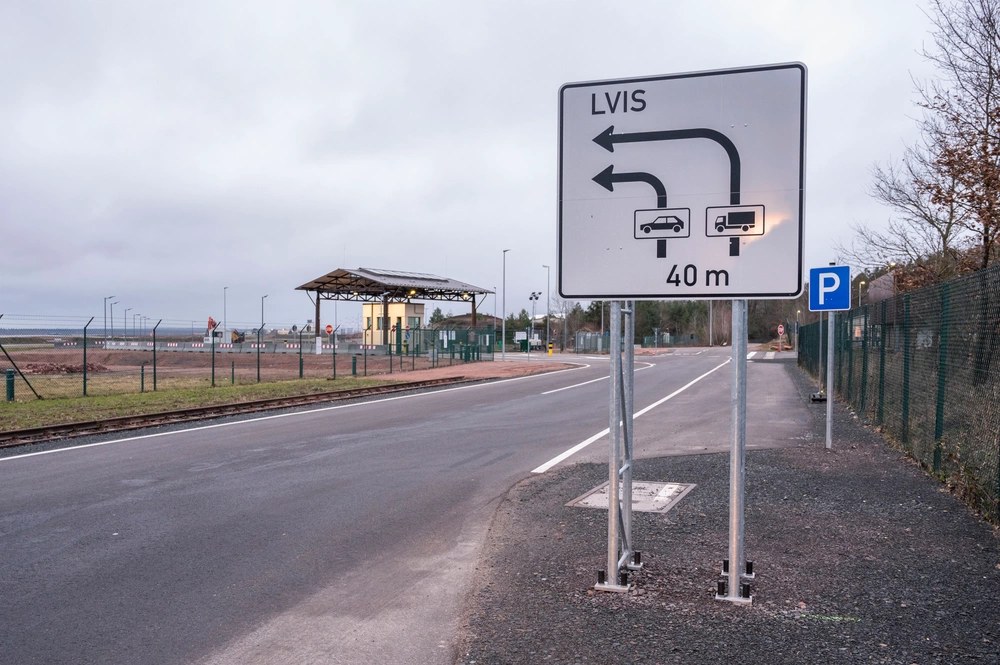
Privately owned vehicle lanes at the Ramstein AB inspection site, Jan. 25, 2024. U.S. Air Force photo by Senior Airman Madelyn Keech, DVIDS (public domain).
Upload your Leave & Earnings Statement and get a plain-English breakdown of every line.
Open LES Tool→Every state makes you carry some insurance. The required part is liability, which pays for damage and injuries you cause to others. The optional part, like collision and comprehensive, protects your own car.
If you financed the car, your lender almost always makes you carry collision and comprehensive too. The one move that matters: never let your coverage lapse, especially when you move or deploy.
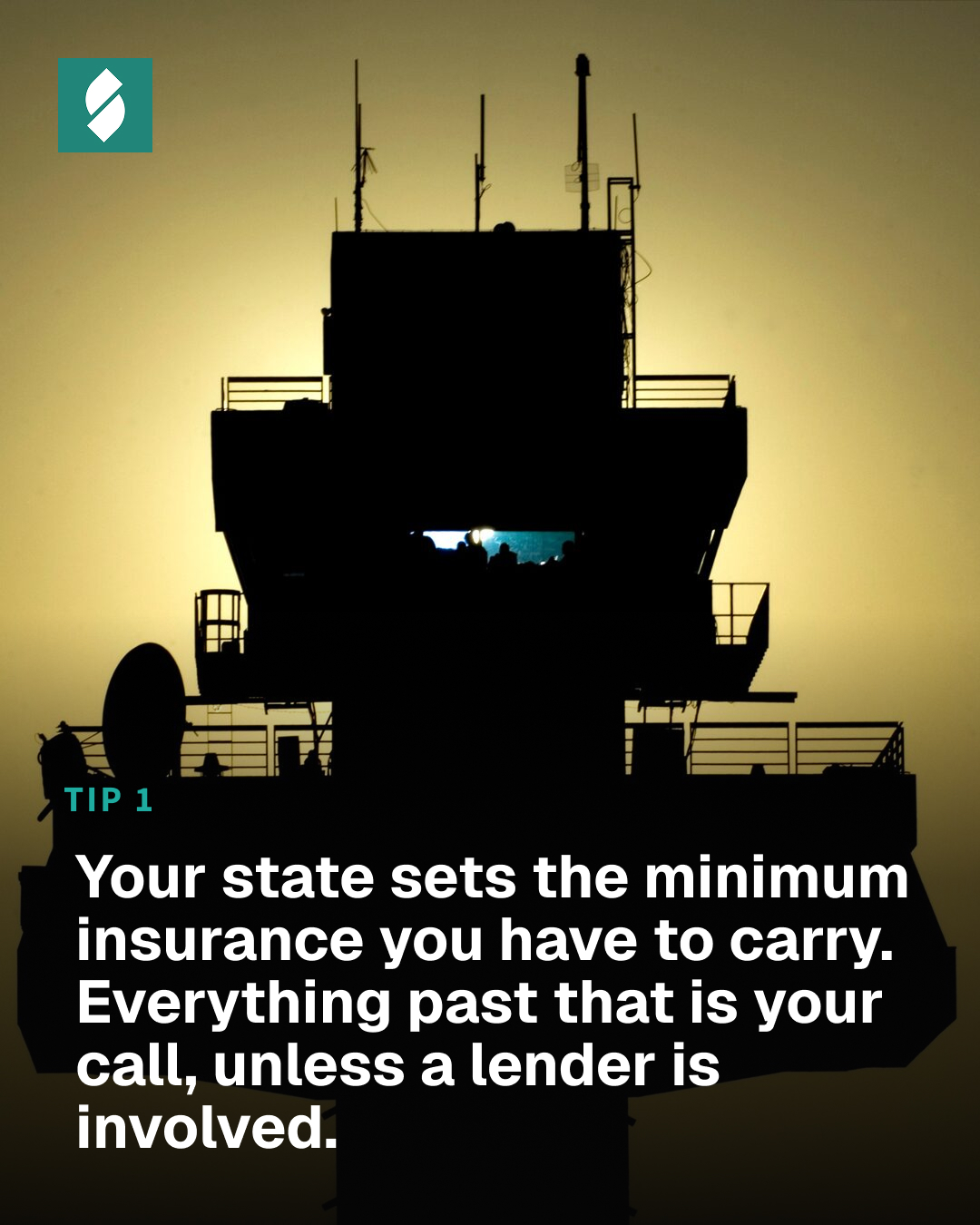
Your state sets the minimum you have to carry. Everything past that is your call, unless a lender is involved. Here is the split in plain terms.
Required (most states)
Optional or lender-required
Full coverage is not a legal term. It usually means liability plus collision and comprehensive.
Source: NAIC
Your premium depends partly on your garaging address, which is where the car is parked and is used to price your policy. When you PCS, your rate can move up or down based on the new location. Tell your insurer your new garaging ZIP as your report date nears, and check the new state's coverage minimums, since they can differ from your old state's.
Military life moves the car around, and your coverage has to keep up. If the car will sit parked during a deployment, you usually cannot pause the policy, but dropping to comprehensive-only keeps it protected against theft, fire, and hail while you are gone. Your state DMV may also want a non-operation form, and a financed car is a different story, since the lender usually still requires full coverage. The goal is to spend less while it is parked without ever leaving a gap in your record.
Deployment option: Storing a car on deployment? Many insurers let you drop to comprehensive-only on the parked car instead of canceling.
Risk factor: A lapse can raise your rate later, and a financed car usually needs full coverage even in storage.
When you PCS or deploy
Get any change in writing, and keep coverage continuous.
Source: NAIC
OCONUS means an assignment outside the continental US. A standard stateside policy may not extend overseas. For an OCONUS move you usually arrange coverage that meets the host nation's rules and any Status of Forces Agreement, or SOFA, requirements. Rules vary a lot by country and base, so check with your gaining installation's vehicle registration or legal office before you ship or buy a car overseas.
You do not have to sort this out alone. Your state insurance department lists required minimums and any storage or non-operation rules. Your gaining installation's vehicle registration or legal office handles OCONUS requirements. Installation legal assistance is free if you hit a dispute with an insurer or lender, and Military OneSource offers financial counseling at no cost. Links are in Sources below.
What car insurance do I need?
At a minimum, the liability your state requires, which is bodily injury and property damage, and sometimes uninsured motorist or PIP. If you have a loan, add collision and comprehensive because your lender requires them.
Can I pause my insurance while deployed?
Often you can reduce rather than pause. Drop to comprehensive-only on a stored car to save money, as long as your lender allows it and your state's rules are met. Do not drive it while liability is reduced, and confirm in writing.
Do I need full coverage if my car is paid off?
Once the loan is gone, collision and comprehensive become optional. Keeping them is a personal call about whether you could pay to repair or replace the car yourself.








Comments
Share your experience or ask a question. Comments are reviewed by our team before they appear.
Leave a comment