Financial Readiness
Report fast and you owe little or nothing: your rights for credit, debit, and billing.
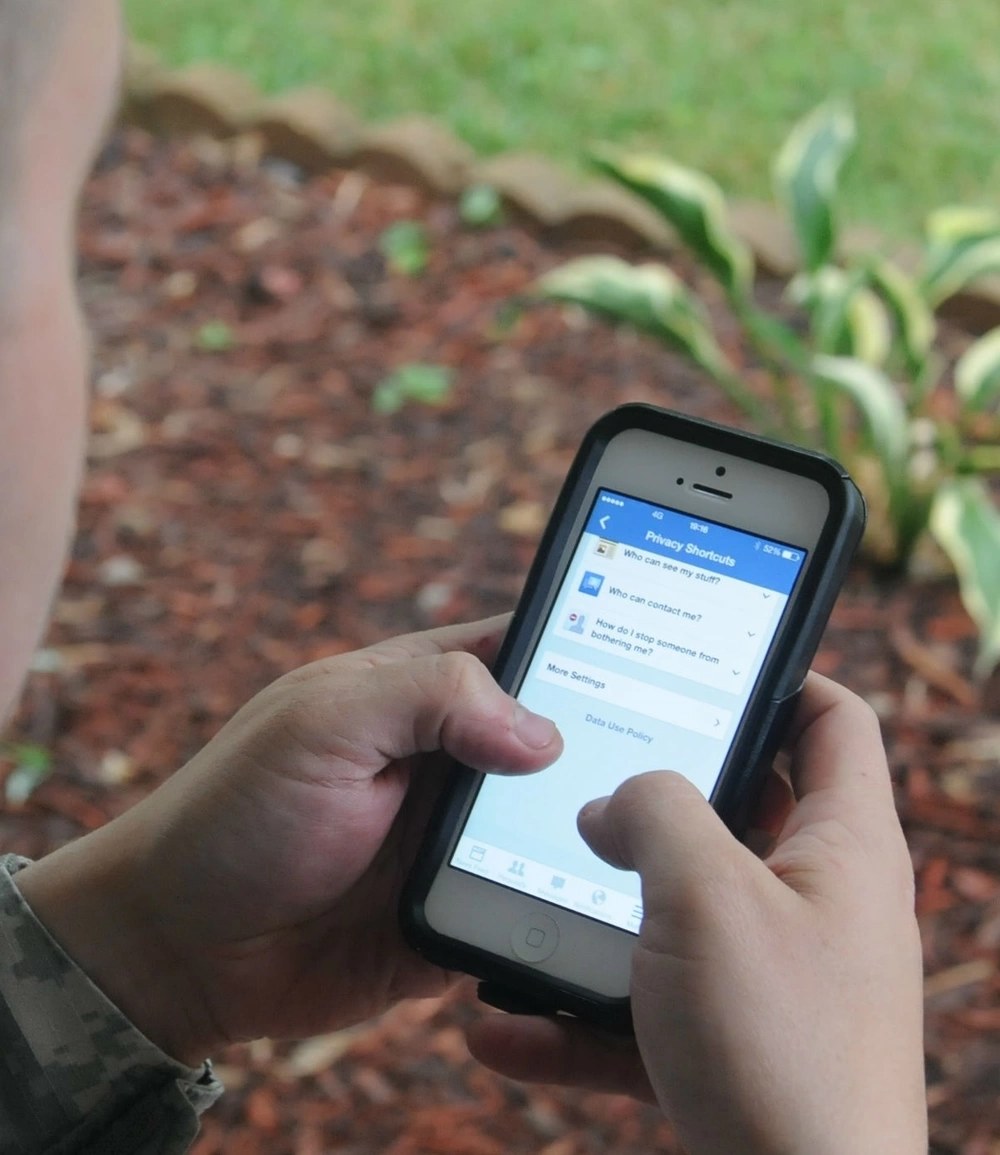
Locking down social media and personal info reduces identity-theft risk for service members. Courtesy photo, Indiana National Guard, DVIDS (public domain).
Upload your Leave & Earnings Statement and get a plain-English breakdown of every line.
Open LES Tool→If a card goes missing or you spot a charge you did not make, the clock starts. Report it fast and the law limits what you can owe. For a credit card, the most you can owe for unauthorized charges is $50, and it can be $0 if you report before the card is used. For a debit card, your liability, meaning how much of the loss you can be on the hook for, depends on how quickly you report, so speed matters even more.
Billing errors are a separate fix. A billing error is a wrong charge, a wrong amount, or goods you never got. You dispute those in writing within 60 days of the statement that shows them. Different problem, different deadline, same rule: act fast and keep proof.
Credit cards cap what you can owe at a low number. Debit cards tie your risk to how fast you call, so the sooner you report, the less you can lose.
$50
the most you can owe for unauthorized credit card charges. It is $0 if you report before the card is used, and number-only theft is generally $0.
Debit is tiered by speed
Debit drains your real cash, so report even faster.
Source: CFPB
Call your card issuer or bank right away. Most have a 24/7 fraud line, so save that number in your phone before you ever need it. Reporting fast is what limits the amount you can owe. After you report, scan your recent transactions for anything you did not make and flag it too.
A credit card spends the issuer's money, so federal law caps what you can owe for unauthorized use at $50. Report before the card is used and you owe $0, and if only your card number was stolen, not the physical card, you generally owe nothing. A debit card pulls straight from your own bank balance, so fraud can drain real cash while the claim is sorted out. Its liability is tiered by how fast you report, which is why you call even sooner.
A billing error is a wrong charge, a wrong amount, a math mistake, or goods you ordered but never got. Under the Fair Credit Billing Act, you have 60 days from the statement that shows the error to dispute it in writing. Send the letter to the billing-inquiries address on your statement, not the payment address, keep a copy, and the issuer must acknowledge it and investigate.
Your card rights stack on top of protections built for service members. Use them together: dispute the mistake, lean on the cap, and escalate for free if you need to.
Dispute in writing: Wrong charge, wrong amount, or goods you never got? Dispute a billing error in writing within 60 days of the statement, under the Fair Credit Billing Act.
Know your edge
Speed and a paper trail protect you.
Source: CFPB
You do not have to fight this alone, and none of it costs a dime. Your card issuer's fraud line handles lost, stolen, or misused cards. IdentityTheft.gov from the FTC walks you through reporting and recovering from identity theft. Military OneSource and your installation Personal Financial Counselor offer free, confidential money help, and the CFPB has consumer guides plus a complaint system if you need to escalate. All of these are linked in Sources below.
What if the thief used my card before I noticed?
For a credit card, the most you can owe is $50. For a debit card, it depends on timing, so report as fast as you can.
Can they charge me interest on a charge I disputed and did not make?
You should not be liable for unauthorized charges beyond the legal cap. Contact your issuer about any related interest.
Does this cover prepaid cards?
It varies. Prepaid card rights depend on the card, so check the provider's policy and deadlines.







Comments
Share your experience or ask a question. Comments are reviewed by our team before they appear.
Leave a comment