Financial Readiness
Why cash back and points only pay off if you clear the balance every month.
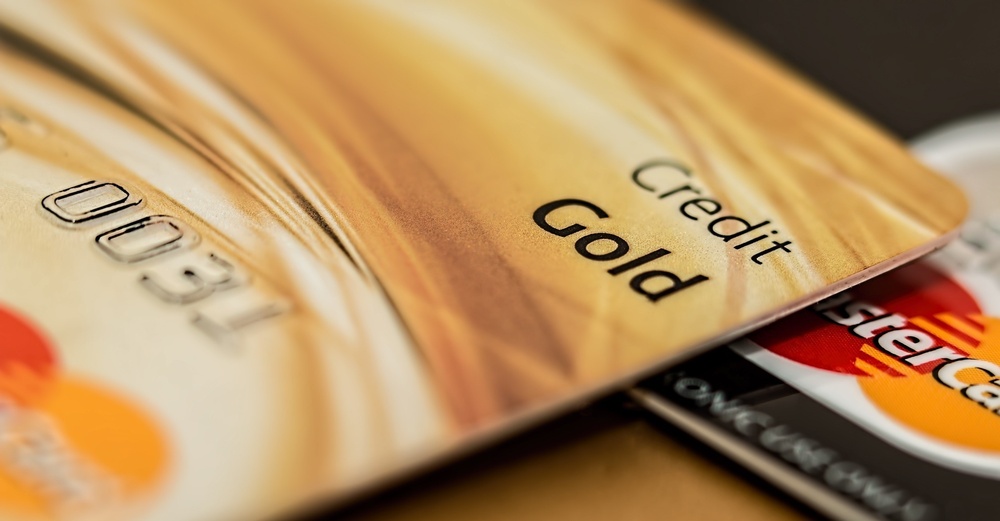
Credit cards. U.S. Army photo by Mary Davis, Kaiserslautern, Germany, DVIDS (public domain).
Upload your Leave & Earnings Statement and get a plain-English breakdown of every line.
Open LES Tool→Rewards are a real perk. The catch is one habit: you only keep them if you pay your statement in full. Rewards are the cash back, points, or miles a card pays you back on what you spend.
Here is the math that flips. People who carry a balance, meaning they do not pay the full statement so it rolls over with interest, earn just 27 percent of the rewards but pay 94 percent of the interest and fees. Clear the balance and the rewards are yours. Carry one and the interest eats them.
Cash back and points are free money on one condition: you clear the statement every month. Carry a balance and the same card quietly turns against you.
Carry a balance: The math flips: revolving cardholders earn just 27 percent of rewards while paying 94 percent of the interest and fees.
Pay in full: Pay your statement in full and the rewards are yours to keep, with no interest touching you.
Make rewards work
If you would not buy it with cash, 2 percent back does not make it a deal.
Source: CFPB
The card pays you back a slice of what you spend, as cash back, points, or miles, plus the occasional sign-up bonus. The issuer makes money two ways: fees charged to merchants on each swipe, and interest from cardholders who carry a balance. Rewards are the hook that gets you using the card. Perk or trap comes down to that one habit: do you pay in full?
The moment you start carrying a balance. Revolving cardholders earn only 27 percent of rewards but pay 94 percent of the interest and fees at major card companies. The reason is the rate. APR is the yearly interest rate the card charges, and nearly half of the largest issuers offer cards with a maximum purchase APR over 30 percent. No cash-back rate offsets interest like that, so for anyone carrying a balance, the rate and fees matter far more than the rewards.
Read the terms, because the value can shift after you sign up. The CFPB found that rewards are sometimes devalued or denied even after people meet the program terms, and called burying terms in fine print and changing reward values a kind of bait and switch. Annual fees skew toward big-issuer cards too: about 27 percent of cards from the largest issuers carry an annual fee, versus roughly 9.5 percent at smaller issuers. A fee can quietly outrun the rewards if you do not spend much. And chasing points or a bonus can nudge you to buy things you would have skipped, which is how a balance lands on the card.
Military benefit note: Under their MLA and SCRA programs, several major issuers (including American Express and Chase) waive annual fees entirely on personal cards for active-duty service members and covered spouses. That flips the fee math on premium cards. Confirm your status with the issuer.
Here is why the rate and the fine print matter even more than the points.
A good rewards rate sounds like the headline. The numbers that actually decide if a card helps or hurts you are the APR and the fees.
30%+
Nearly half of the largest issuers offer cards with a maximum purchase APR over 30 percent. No cash-back rate offsets interest like that.
Read the fine print
For anyone carrying a balance, the APR and fees matter more than the rewards.
Source: CFPB
You do not have to sort this out alone. Every active-duty, Guard, and reserve member, and their family, can sit down with a Personal Financial Counselor at no cost to pick a card and build a plan to pay it down. You can also report a denied or devalued reward to the CFPB. Find free counseling through Military OneSource, and read the CFPB rewards report and complaint tool. All are linked in Sources below.
Are rewards cards worth it?
They can be, if you pay in full. People who carry a balance earn only 27 percent of rewards while paying 94 percent of the interest and fees.
Is an annual-fee card a bad idea?
Not automatically. Big-issuer cards carry annual fees about three times as often as smaller issuers, so weigh the fee against what you would actually earn.
Can the rewards I earned lose value?
Yes. The CFPB found rewards are sometimes devalued or denied even after the program terms are met. Read the fine print before you sign up.










Comments
Share your experience or ask a question. Comments are reviewed by our team before they appear.
Leave a comment