Financial Readiness
You already rate free tax filing. Here's how to use it.

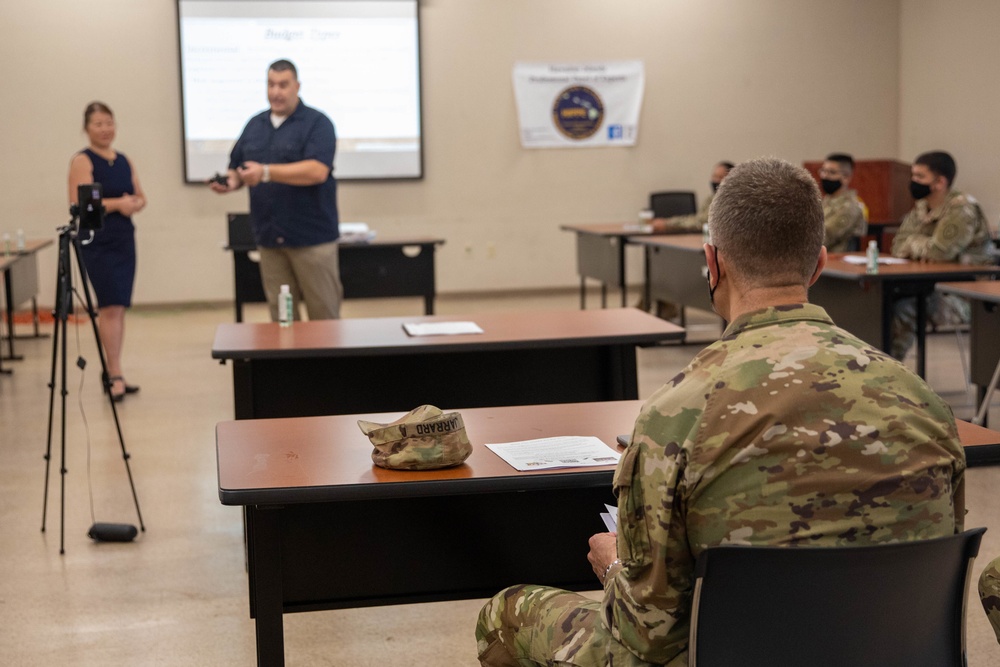
U.S. Department of Defense photo, DVIDS (public domain)
Upload your Leave & Earnings Statement and get a plain-English breakdown of every line.
Open LES Tool→If you wear the uniform, you do not need to pay a tax prep company. MilTax is free military tax software plus free phone consultants, run through Military OneSource. VITA, short for Volunteer Income Tax Assistance, is free in-person tax help, and many installations host a VITA site staffed by volunteers trained on military returns.
Both handle the things that trip up civilian software and storefront preparers: combat-zone pay, PCS moves, and filing in more than one state. The paid preparers set up outside the gate know you get this for free. They are betting you do not.
Two free ways to file, both built for military life. Pick the one that fits how you like to work, then file federal and your state returns at no cost.
MilTax
Do it yourself online, with a tax pro a phone call away.
VITA
Sit down with a trained volunteer who preps your return in person.
Both handle combat-zone pay, PCS moves, and multistate filing. The preparers outside the gate are betting you do not know this is free.
Source: Military OneSource · IRS
MilTax is a set of free tax services from the Department of Defense, delivered through Military OneSource. The core is e-filing software built around military life. It knows what to do with combat-zone pay, deployment, and filing in more than one state after a PCS. MilTax covers your federal return and up to five state returns at no cost.
The other half is the people. MilTax consultants are tax pros trained on military situations, and they are free too. Call 800-342-9647 or start a secure chat through Military OneSource to set up an appointment. The software usually opens in mid-January each filing season and stays available through the October extension deadline.
More people than you would think. Eligibility includes active-duty service members, plus spouses and dependent children. It includes National Guard and Reserve members no matter their activation status, even if you only drilled one weekend a month all year. It also covers retired and honorably discharged members, including Coast Guard veterans, within 365 days of discharge or retirement.
A family member managing the affairs of a deployed service member can use it, along with designated family members of severely injured service members and eligible survivors of service members who have died. Eligibility gets verified through DEERS when you log in, the same system behind your ID card. There is no income limit on MilTax. An E-1 and an O-6 with a brokerage account both qualify.
Yes, on many installations. VITA, the Volunteer Income Tax Assistance program, offers free in-person tax prep. The military runs its own sites through the Armed Forces Tax Council, with coordinators for the Army, Marine Corps, Navy, Air Force, Space Force, and Coast Guard. Military VITA volunteers are trained on combat-zone benefits and the earned income credit rules that hit military families differently.
Off base, community VITA sites serve people who generally make $69,000 or less, persons with disabilities, and people with limited English. (The IRS updates this income limit each year, so check the current figure on the IRS VITA page.) Find a site with the IRS VITA locator, or ask your installation legal office or Military OneSource where the nearest military site is. Not every base runs one every year, so call before you show up with a folder of W-2s.
Comfortable doing it yourself online with a phone-a-friend option? Choose MilTax. Want a human across the table who can look at your documents while a deployment, a mid-year PCS, or a spouse's small business complicates things? Choose VITA. There is no wrong answer, and plenty of people use a VITA site one year and MilTax the next. The point is the price: zero either way.
MilTax reaches more of the military community than most people expect, and a short stack of documents is all it takes to file. Pull these together before you start.
Who can use MilTax
Before you file
Deployed in a combat zone? Your filing deadline generally extends at least 180 days after you leave.
Source: Military OneSource · IRS
Pull together your W-2, which you can grab in myPay, the site where your military W-2 posts each January. Bring Social Security numbers for you, your spouse, and any dependents, plus your bank routing and account numbers so a refund can go straight to direct deposit. Add any civilian W-2s or 1099s for you or your spouse, including gig work, and last year's return if you have it, since that speeds everything up. If you use a VITA site, bring a photo ID, and if you file jointly, both spouses generally need to be present to sign.
How do I file taxes for free in the military?
Two main routes: MilTax software and consultants through Military OneSource, online and by phone, or a VITA site for in-person help, often right on your installation.
What is MilTax?
Free tax software and consultant support from the Department of Defense, built for military returns: combat pay, PCS moves, multistate filing, and deployment situations.
Is there free tax help on base?
Yes. Many installations host VITA sites through the Armed Forces Tax Council with volunteers trained on military tax issues. Availability varies by base and year, so check with your legal office first.
Can I use MilTax after I separate?
Yes, for up to 365 days after your separation or retirement date. That window usually covers your first post-military filing season. Put a reminder in your phone before it closes.
Can Guard and Reserve members use MilTax?
Yes, no matter their activation status. You do not need to be on Title 10 orders.
Does MilTax handle state returns?
Yes. MilTax covers your federal return plus up to five state returns, which handles even the busiest PCS years.
What if I am deployed during tax season?
Service in a designated combat zone generally extends your filing and payment deadlines by at least 180 days after you leave the zone. A MilTax consultant or VITA volunteer can walk you through how the extension applies to your dates.
For more on military taxes, see our companion guides: Tax Credits for Military Families: EITC, Child Tax Credit, and AOTC, and State of Legal Residence and Military Taxes.








Comments
Share your experience or ask a question. Comments are reviewed by our team before they appear.
Leave a comment