Financial Readiness
Your credit report is your money track record: pull it free, read it, dispute errors.
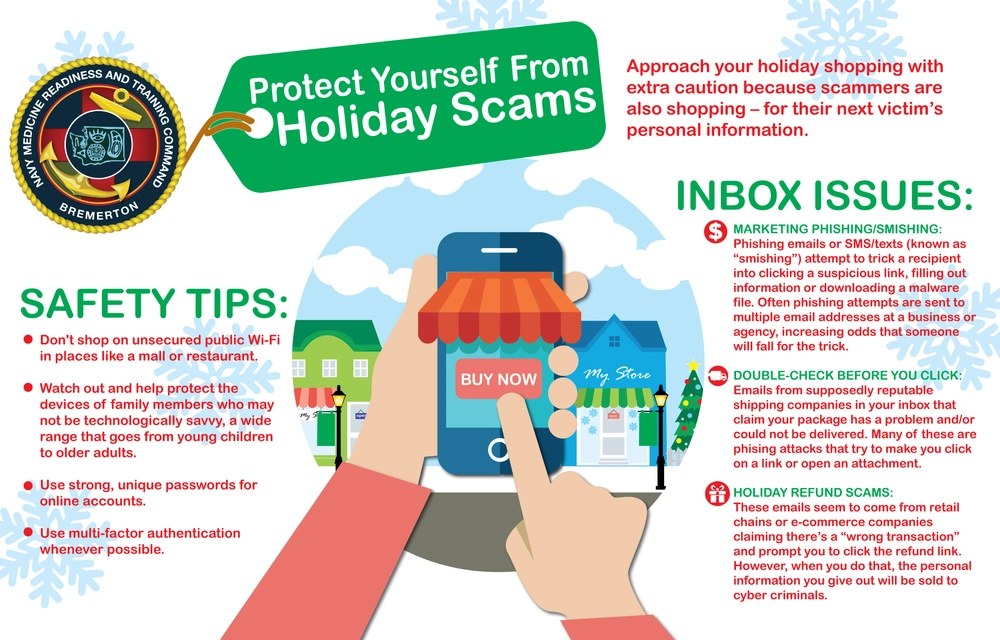
Article walks through free annual credit reports, fraud alerts, and IdentityTheft.gov. Naval Hospital Bremerton, DVIDS (public domain).
Upload your Leave & Earnings Statement and get a plain-English breakdown of every line.
Open LES Tool→Your credit report is the record of your accounts and payment history. It is not your credit score, that is a separate number. You can pull all three reports for free, every week, at AnnualCreditReport.com.
Read each one and look for mistakes. If you find an error, you have a legal right to dispute it for free. Fixing a bad mark can raise your score and lower the rate you pay.
Four steps. Get all three reports for free, scan them for mistakes, dispute anything wrong in writing, and escalate if it gets ignored.
What is on it
Errors can lower your score and raise your rate, so check before you apply.
Go to AnnualCreditReport.com, the federally authorized source. You are entitled to a free report from each bureau, and the bureaus now offer free reports every week online. Watch out for look-alike sites that charge you or push extra services.
Look for accounts you do not recognize, wrong balances, the wrong payment status, and outdated information. Also check that your name, address, and other personal details are correct. An error can drag your score down for no reason, which can mean a higher interest rate, so it pays to check before you apply for a loan.
Dispute it in writing with the bureau, and you can also notify the business that reported the information. Explain what is wrong and why, and include copies, not originals, of any documents that support you. The CFPB has a free template letter you can use. There is no fee to dispute, and you can send it to the bureau, the business, or both.
Fixing your report costs nothing and is your right by law. If the problem is fraud, a free security freeze locks your credit so no one can open accounts in your name.
Your right, no cost: Disputing an error is free and is your right under federal law. There is no fee, and it does not hurt your score.
If it is identity theft
The free site is AnnualCreditReport.com. Avoid the copycats.
Active-duty service members and National Guard members can get free electronic credit monitoring from each of the three bureaus (Equifax, Experian, and TransUnion) to catch identity-theft problems early. You sign up with each bureau directly.
An Active Duty Alert is a free fraud alert for service members: lenders must verify your identity before opening new credit in your name. It lasts one year, renews for the length of a deployment, and takes you off prescreened credit and insurance offer lists for two years. Place it with any one bureau and it applies at all three.
You do not have to sort this out alone. Every active-duty, Guard, and reserve member, and their family, can get free, confidential financial counseling through Military OneSource and the DoD Office of Financial Readiness. Your installation Personal Financial Counselor can help you on base, and the CFPB has free guides plus a way to file a complaint. All are linked in Sources below.
How often should I check my report?
At least once a year is the common advice. Free weekly access at AnnualCreditReport.com makes it easy to check more often, especially before you apply for a loan.
Does disputing an error hurt my score?
No. Disputing an error is free and is your right under federal law. It does not lower your score.
Is the report the same as my score?
No. The report is the record of your accounts and history. The score is a separate number calculated from that record.








Comments
Share your experience or ask a question. Comments are reviewed by our team before they appear.
Leave a comment