Guard & Reserve
Leave for military duty and return to the job, seniority, and pay you'd have had.
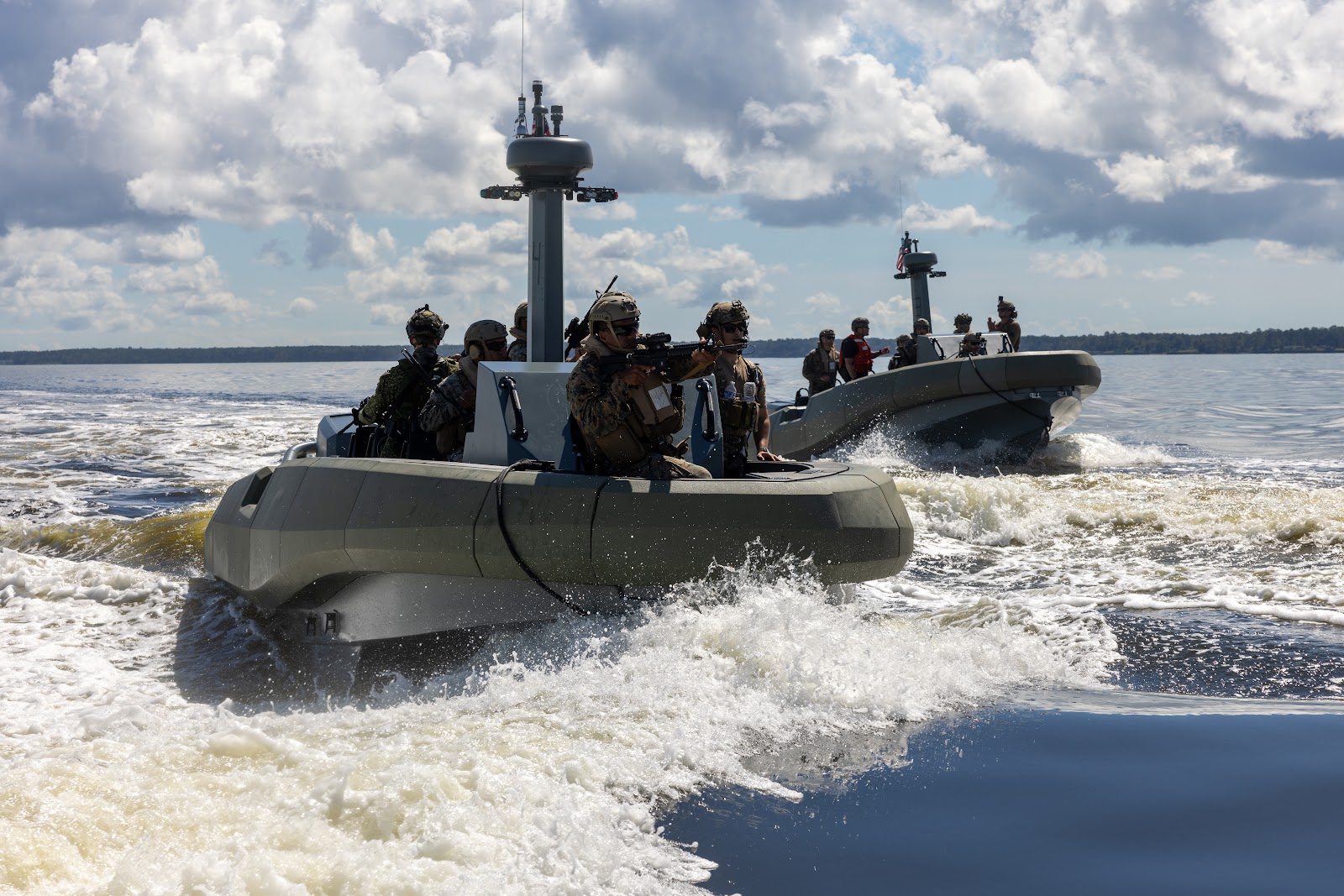
U.S. Department of Defense photo, DVIDS (public domain)
Upload your Leave & Earnings Statement and get a plain-English breakdown of every line.
Open LES Tool→USERRA, the Uniformed Services Employment and Reemployment Rights Act, protects your civilian job when you leave it for military duty, including drill, annual training, schools, and mobilization. Done right, you come back to the job, and the seniority, pay, and benefits, you would have had if you never left.
The protections are strong, but they come with steps: give your employer notice, stay inside the time limits, and report back on time. USERRA does not require your employer to pay you while you are gone.
USERRA covers nearly all employers, large and small, and most kinds of military service.
What you are owed
The limits and duties
USERRA returns you to where you would have been, not just your old seat. That is the escalator principle, and it protects the raises and promotions you would have earned. It can also move down if your whole peer group was laid off.
Source: Department of Labor (VETS), 20 CFR 1002.153, and ESGR
Since January 5, 2021, it can. Federal law now counts as service in the uniformed services State active duty for a period of 14 days or more, plus state active duty in response to a national emergency declared by the President, and state active duty in response to a presidentially declared major disaster. The Department of Labor is explicit that 13 days or fewer of State Active Duty gets no federal USERRA protection.
One catch worth knowing before you call: ESGR, as a federally funded program, cannot expend resources mediating State Active Duty related disputes, so the free mediation route is not available there. More in State Active Duty.
Source: 38 U.S.C. 4303(13) and ESGR
It depends on one number: 31 days.
Compare the 102 percent number against your Reserve Component options in TRICARE for Guard and Reserve before you elect.
Source: Department of Labor
No. USERRA treats you as being on furlough or leave of absence, so differential pay from a private employer is voluntary. Some employers offer it anyway, and it is worth asking HR before your next set of orders. If an employer does pay it, differential wage payments for active duty of more than 30 days are subject to income tax withholding but not to Social Security or federal unemployment tax, and they show up on your W-2.
Federal civilian employees are the exception. They have a statutory reservist differential, and separate paid military leave that covers inactive duty training, meaning drill weekends can be paid time.
Source: 20 CFR 1002.149, IRS Revenue Ruling 2009-11, and OPM
Your deadline to report back or reapply depends on how long you served. Miss the window and you can lose the protection.
Reporting back
The 14-day rule after a set of orders in the 31 to 180 day range is the one people miss. It is not 30 days, and it is not whenever you feel ready.
Source: Department of Labor and ESGR
You are treated as not having a break in service. Military service counts as service with the employer for vesting and benefit accrual, and you can make up employee contributions or elective deferrals for the period of service over three times the length of that service, up to a maximum of five years from the date of reemployment. That is a long runway, and employer match is owed on those makeup contributions.
Source: Department of Labor Employment Law Guide
Does USERRA cover drill and annual training?
Yes. It covers voluntary and involuntary service, including drill, annual training, schools, and mobilization, and periodic training does not count against the five-year cap.
Does my employer have to pay me while I am on orders?
Not under USERRA. You are treated as on unpaid leave. Some employers pay a differential voluntarily, and federal civilian employees have a statutory one.
Can my boss make me use my vacation?
No. An employer may not require you to use accrued vacation, annual, or similar leave for military duty, though you may choose to.
Can I keep my employer health insurance?
For service of 31 days or more you can continue it for up to 24 months, paying up to 102 percent of the full premium. For 30 days or fewer, you pay no more than the normal employee share.
What is the escalator principle?
You return to the position, seniority, and pay you would have attained had you not left, not simply your former job. It can move down as well as up.
Does a state callout count?
State Active Duty of 14 days or more counts, as does state active duty responding to a declared national emergency or major disaster. Under 14 days generally does not.
What if my employer will not reemploy me?
Contact ESGR for free mediation, except on State Active Duty disputes. The Department of Labor's VETS enforces USERRA at no cost to you.
VetraFi does not provide financial, investment, tax, legal, or accounting advice. The content provided is for informational purposes only. You should consult your own advisors before engaging in any transaction.
Earn It.







Comments
Share your experience or ask a question. Comments are reviewed by our team before they appear.
Leave a comment