Pay & Entitlements
Three allowances, three jobs: how CONUS COLA, OCONUS COLA, and OHA differ.
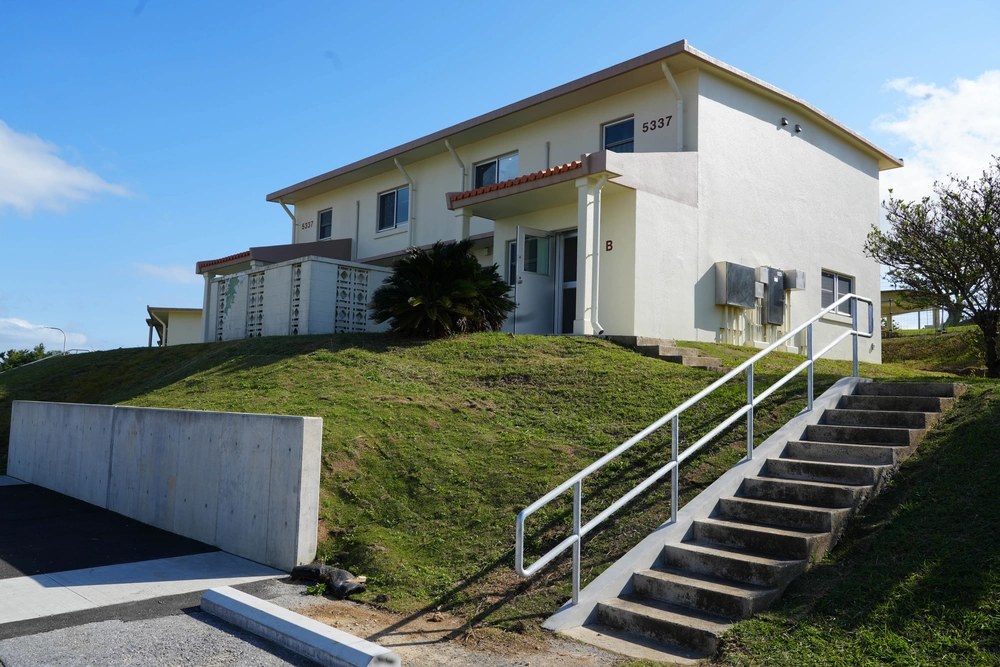
Renovated overseas military family housing at Kadena Air Base, Okinawa. Photo by Patrick Ciccarone, USACE, DVIDS (public domain).
Upload your Leave & Earnings Statement and get a plain-English breakdown of every line.
Open LES Tool→Three allowances share a job, but they are not the same thing. COLA is a cost-of-living allowance that helps offset higher prices in certain locations. CONUS COLA applies at some high-cost stations inside the continental United States, which means the lower 48 states. Overseas COLA applies when you are stationed overseas. OHA, the Overseas Housing Allowance, is your housing money overseas.
The most common mistake is mixing up CONUS COLA and Overseas COLA. Get the names straight first, and the rest is easy.
CONUS COLA, Overseas COLA, and OHA each do one job. Learn which is taxable, which is tax-free, and which one reimburses your rent instead of paying you a flat amount.
OCONUS means overseas. Specific dollar rates depend on your location and exchange rates, so use the DTMO lookups for your numbers.
OHA is not the same as BAH
How OHA works: OHA is the overseas BAH, but it reimburses your actual rent up to a ceiling (no extra to pocket), plus a utility amount. BAH is a flat amount you keep regardless of rent.
Mixing up CONUS and Overseas COLA is the most common COLA mistake.
CONUS COLA is paid at a number of high-cost duty stations inside the continental United States. It is set by your location, grade, years of service, and dependency status. It is taxable, and it changes about once a year. It covers non-housing costs, so it is separate from BAH.
Overseas COLA, also called OCONUS COLA, is paid at overseas duty stations where everyday goods and services cost more than the average inside the continental United States. It is tax-free, and it can change often, sometimes each pay period, as exchange rates and local prices move. It is meant to equalize your purchasing power, not to reimburse specific expenses.
Not everyone overseas draws it. If the local cost of living is the same as or lower than the US average, you do not draw Overseas COLA. Single members in government quarters with a meal card draw a reduced amount.
OHA is your housing money when you are stationed overseas and lease private housing instead of living in government quarters. It is the overseas equivalent of BAH. The big difference from BAH is how it pays out. OHA reimburses your actual rent up to a ceiling, plus a separate utility and recurring-maintenance amount. If your rent is under the ceiling, you draw less than the maximum. If it is over the ceiling, you cover the difference yourself. OHA is tax-free and shifts with exchange rates.
If you live in government quarters overseas, OHA does not apply.
Here is why these allowances need extra attention in uniform.
Overseas COLA and OHA change with exchange rates. Knowing that before you sign a lease, and pricing your housing against the OHA ceiling, keeps the swings from surprising you.
Not a fixed number: DTMO updates Overseas COLA and OHA on the 1st and the 16th of each month, so your rate can move mid-month with exchange rates. A household budget built on a steady number will drift from what actually posts.
When you PCS
Government quarters overseas? OHA does not apply.
Source: DTMO
For anything specific to your pay account, start with your servicing finance or disbursing office, which may be called S-1, admin, or the base finance office. DFAS, the Defense Finance and Accounting Service, runs customer service at 1-888-332-7411 and the askDFAS tool for pay-record questions. You can view your LES, tax withholding, allotments, and TSP in MyPay. For free financial counseling, available 24/7, reach out to Military OneSource. Your installation's Personal Financial Management program offers free in-person counseling too. All of the links are in Sources below.
Is Overseas COLA taxable?
No. Overseas COLA is tax-free. The contrast is stateside CONUS COLA, which is taxable.
Do I get both OHA and Overseas COLA?
You can. They cover different things and are calculated independently. OHA is for housing, and Overseas COLA is for non-housing goods and services.
Why does my Overseas COLA or OHA change so often?
Exchange rates. DTMO updates station allowances on the 1st and the 16th of each month, so your rate can move mid-month with currency swings and local prices.







Comments
Share your experience or ask a question. Comments are reviewed by our team before they appear.
Leave a comment