Homeownership
From pre-approval to closing, step by step.
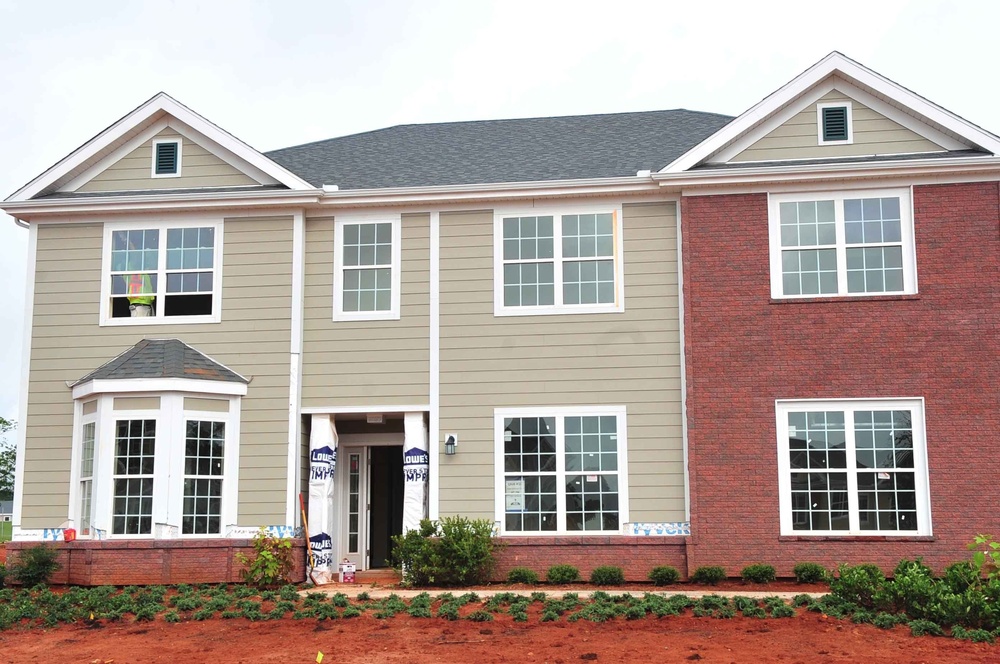
U.S. Air Force photo, Shaw Air Force Base, South Carolina, DVIDS (public domain)
Upload your Leave & Earnings Statement and get a plain-English breakdown of every line.
Open LES Tool→Buying can beat renting because every payment builds equity instead of going to a landlord. But that math only works if you stay put. Plan to live in the home for at least two to three years, because the transaction costs of buying and selling can eat any gains on a short stay. Your Basic Allowance for Housing counts as qualifying income, which raises how much home you can afford. Before you commit, think hard about your next set of orders, because a PCS move can force a sale or turn you into a long-distance landlord.
Renting is not throwing money away when your time at a duty station is short. Selling a home usually costs several percent of the sale price, so if you sell within a year or two, those costs can wipe out the equity you built. As a rule, you want a runway of at least two to three years in one place before buying pencils out.
Your military pay gives you an edge here. Lenders count BAH as qualifying income, so your housing allowance directly increases your buying power. Pair that with a VA loan and the path to ownership is more open to you than to many civilian buyers at the same pay.
Rule of thumb: if you cannot see yourself living there for at least two to three years, rent.
Buying a home follows a predictable sequence. Knowing the order keeps you in control and stops a lender or seller from rushing you.
Source: VA.gov
You may not control when you PCS, so plan for it before you sign. Ask yourself whether you could sell the home quickly if orders come, or whether it would rent for enough to cover the mortgage if you keep it. A home that is easy to resell or rent protects you when the military moves you on short notice.
Should I buy if I might PCS in a year?
Usually no. Selling costs can erase your equity on a short stay, so renting is often the safer move unless you are confident you can rent the place out for enough to cover the mortgage.
How much do I need for closing costs?
Plan for about 2 to 5 percent of the purchase price. On a VA loan you can ask the seller to pay up to 4 percent of the price toward your closing costs, which can shrink your out-of-pocket cash.
Is pre-qualification good enough to make an offer?
No. Pre-qualification is a rough estimate, while pre-approval means a lender checked your finances. Sellers take pre-approved offers more seriously, so get the stronger letter before you shop.









Comments
Share your experience or ask a question. Comments are reviewed by our team before they appear.
Leave a comment