Homeownership
The costly first-home mistakes to sidestep.
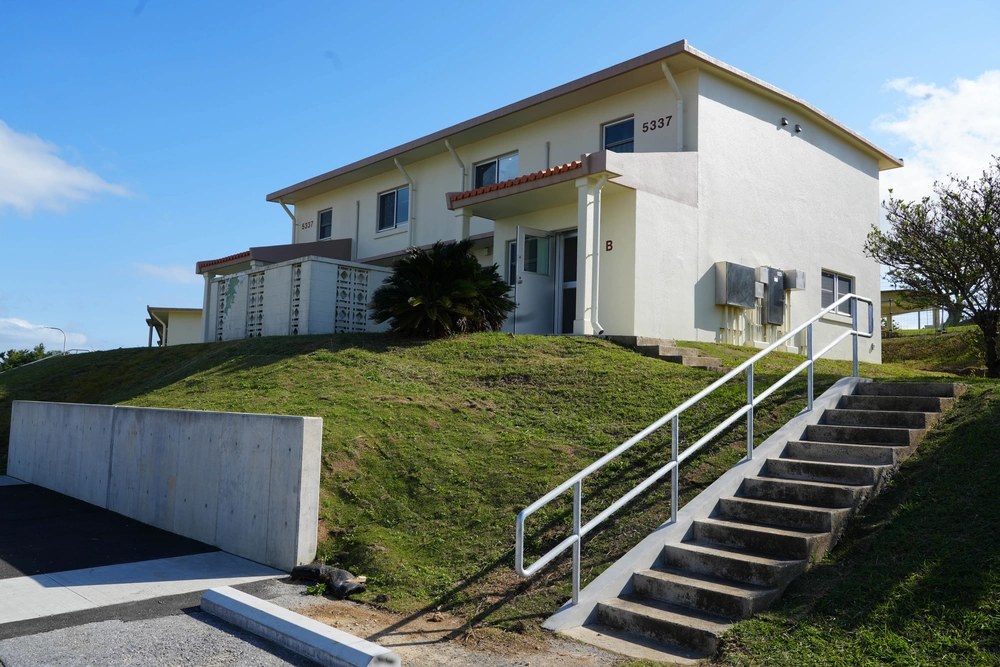
U.S. Department of Defense photo, DVIDS (public domain)
Upload your Leave & Earnings Statement and get a plain-English breakdown of every line.
Open LES Tool→Buying your first home on military pay is a big step, and it is easy to get tripped up. The most common mistakes are spending more than you can comfortably carry, skipping steps that protect you, and underestimating what ownership really costs. Avoid these pitfalls and you protect both your money and your mission readiness. Your VA loan benefit gives you a strong starting point, so use it wisely instead of rushing.
Lenders tell you the maximum you qualify for. That number is not your budget. Just because you can borrow it does not mean you can live with it. A payment that eats too much of your pay leaves nothing for savings, emergencies, or a change in orders.
Keep your total monthly housing cost under about 28% of your gross pay, and aim closer to 25% if you can. Total housing cost means principal, interest, property taxes, and insurance, not just the loan payment a lender quotes you.
Rule of thumb: spend what fits your life, not what fits the lender's ceiling. Aim for 25% of gross pay, cap at 28%.
Source: CFPB
Pre-qualification and pre-approval are not the same thing. Pre-qualification is a rough estimate based on numbers you report. Pre-approval means a lender has verified your income, credit, and assets and is ready to lend a specific amount. Sellers take pre-approved buyers seriously and often ignore the rest.
Get pre-approved before you shop. It tells you your real price range and makes your offer competitive when a home you want hits the market.
The mortgage payment is only part of the picture. Plenty of buyers stretch to afford the loan and then get buried by everything else that comes with owning a home.
Source: CFPB
A home inspection costs a few hundred dollars and can save you thousands. It tells you what is really going on behind the walls and under the roof before you commit. Waiving it to win a bidding war is a gamble that can wreck your budget later.
Pay for the inspection and read the report closely. Use the findings to negotiate a lower price, request repairs, or walk away from a money pit.
The down payment is not the last check you write. Closing costs typically run about 2% to 5% of the loan amount, and moving expenses add up fast on top of that. Buyers who plan only for the purchase price get a nasty surprise at the table.
On a VA loan, the seller can pay up to 4% of your closing costs, so make that part of your negotiation. Either way, set aside cash for closing and the move before you sign.
You may not stay in this home for long. Think about resale and rental potential before you buy, because a PCS could turn your home into a property you need to sell or rent out quickly.
Is it ever smarter to rent than to buy?
Yes. If you have no emergency fund, high-interest debt, or a likely PCS in the near term, renting is often the smarter call. Your VA benefit does not expire, so you can buy later when your finances and orders are more stable.
What is the difference between pre-qualification and pre-approval?
Pre-qualification is an informal estimate based on what you tell a lender. Pre-approval is a verified commitment to lend a specific amount. Sellers want to see pre-approval, so get it before you shop.
How much should I budget for maintenance each year?
Plan for roughly 1% to 2% of your home value per year. On a $300,000 home, that is about $3,000 to $6,000 set aside annually for repairs and upkeep.









Comments
Share your experience or ask a question. Comments are reviewed by our team before they appear.
Leave a comment