Financial Readiness
Give the money a job before it lands, so a raise builds your future instead of vanishing.
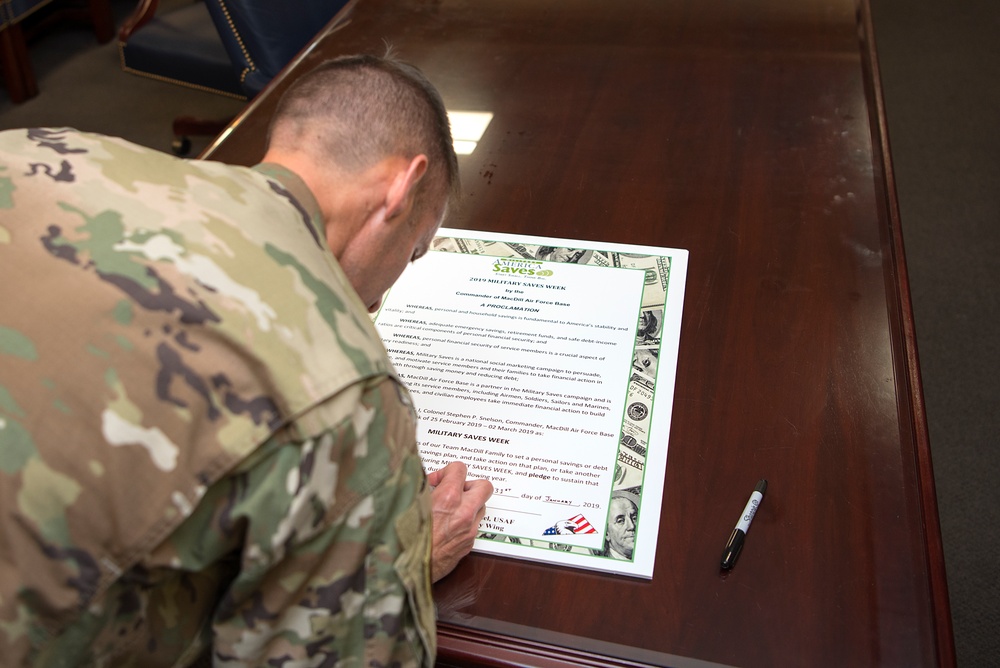
U.S. Air Force photo by Airman 1st Class Caleb Nunez, MacDill Air Force Base, Florida, DVIDS (public domain)
Upload your Leave & Earnings Statement and get a plain-English breakdown of every line.
Open LES Tool→A raise or bonus is easiest to keep when you decide where it goes before it ever hits your account. A simple order: cover high-interest debt, build or top off a small starter emergency fund, then fund your goals.
The biggest move is to bump your retirement contribution with part of the raise. The Thrift Savings Plan, or TSP, is the military's version of a 401(k). Raise your contribution now and you adjust to the new pay without ever feeling the cut. The raise you plan for is the raise you keep.
Give every extra dollar a job before payday, not after. Put the raise in a clear order, then protect it from quietly leaking into a bigger lifestyle.
Beat lifestyle creep
The raise you plan for is the raise you keep.
Source: CFPB · Military OneSource · figures illustrative
The trap is lifestyle creep: a new car payment, an upgraded apartment, or a bigger phone plan quietly absorbs the raise. The fix is to move the extra money the day it arrives, before spending rises to meet it. Military OneSource suggests saving through the TSP and increasing what you save with each pay bump. You were already living without that money, so this is the easiest time to lock in progress.
A bonus is a planned one-time event, not a monthly habit. It is usually taxable, so what lands is less than the headline number. Plan around the net, meaning the amount after taxes. Decide the split before it arrives: a slice to debt, a slice to savings, and a small slice for something you enjoy. There is no single right split. This is general education, and a free counselor can help you pick one.
A raise is a clean chance to raise your TSP contribution. If you deploy to a designated combat zone, the Savings Deposit Program, or SDP, lets eligible members set aside money at a favorable government rate. Terms can change, so check the official page for the current rules before you count on it.
Here is why this hits home if you wore E-4 or below in 2025.
The 2025 raise for junior enlisted service members was real money. The only question is whether you caught it on purpose or let it scatter into everyday spending.
14.5%
raise for junior enlisted (E-1 to E-4) across 2025
Two parts: A 4.5% increase for all service members took effect January 1, 2025. A junior enlisted bump under Section 601 of the FY2025 NDAA took effect April 1, 2025.
For 2026: a 3.8% across-the-board raise took effect January 1, 2026, under the FY2026 NDAA. The same play applies: bank the difference before spending absorbs it.
Plan around the details
Catch the raise before it scatters.
Source: Congress.gov (CRS) · DoD pay charts · Military OneSource
You do not have to pick a split alone. Every active-duty, Guard, and reserve member, and their family, can sit down with a free Personal Financial Counselor through Military OneSource, which also offers MilTax for filing questions. For exact base pay by grade, use the official DoD pay charts. If you deploy to a combat zone, look up the Savings Deposit Program for current terms. FINRED also has free calculators for compound interest and savings. All are linked in Sources below.
Should I pay off debt or invest the raise?
Common guidance is to clear high-interest debt first, then invest. This is general education, and the right call depends on your rates and your goals.
Is my reenlistment bonus taxed?
Generally yes, though rules differ in combat zones. Plan around the after-tax amount, and confirm specifics with MilTax through Military OneSource.
How much of a raise should I save?
There is no universal number. A simple rule is to save a fixed share of every raise before you adjust your spending.










Comments
Share your experience or ask a question. Comments are reviewed by our team before they appear.
Leave a comment