Financial Readiness
Young and about to deploy? That's exactly when these three free documents matter most.
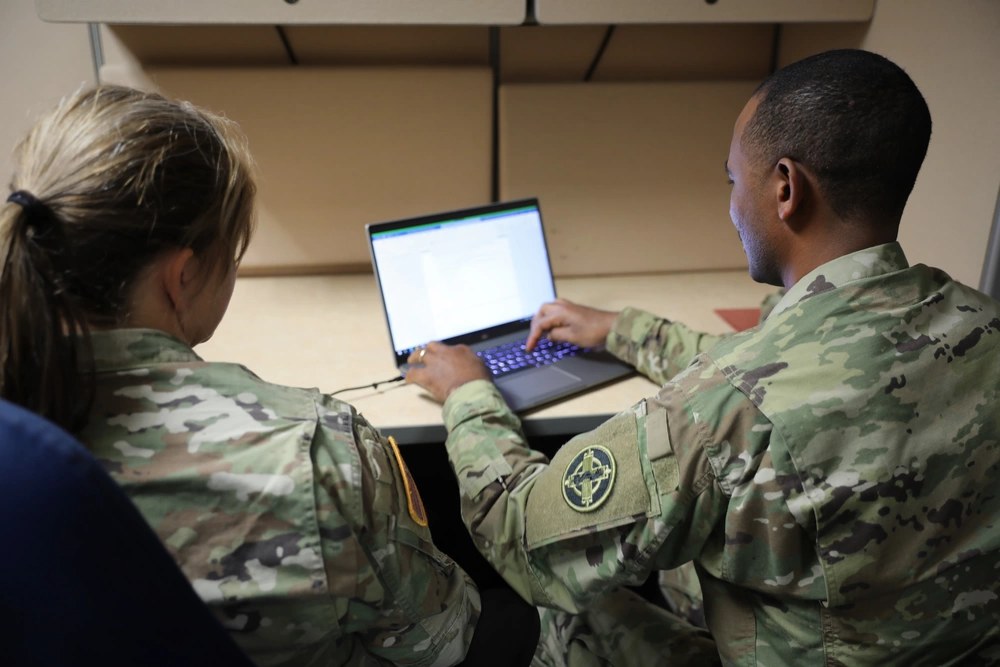
A JAG officer assists a Soldier in preparing his will, Nov. 20, 2022. U.S. Army photo by Capt. Nancy Drapeza, DVIDS (public domain).
Upload your Leave & Earnings Statement and get a plain-English breakdown of every line.
Open LES Tool→Before a deployment or a long field exercise, get three documents squared away: a will, a power of attorney (POA, which lets someone act for you), and an advance medical directive (your written treatment wishes). Your installation legal assistance office, staffed by JAG attorneys, which are military lawyers who help service members for free, prepares all of them at no cost for active-duty members and their families.
Find the nearest office through the Armed Forces Legal Assistance Locator and make an appointment. Here is what each document does, and which power of attorney you actually need.
Your base legal office drafts all three for free, and the right power of attorney keeps you out of trouble.
Which POA?
Your installation legal assistance (JAG) office prepares all three at no cost.
Source: Military OneSource
If anyone depends on you, or you care where your SGLI and your stuff end up, yes. A will says who gets what and, if you have kids, who you want to raise them. Pre-deployment estate planning is one of the top-priority services legal assistance offices provide, precisely because young service members face risk that civilians their age usually don't.
Two military-specific notes. First, your SGLI life insurance doesn't pass through your will. It pays your named beneficiary directly, so the will and the beneficiary form are two separate jobs. VetraFi's guide to updating your SGLI and TSP beneficiaries covers that step. Second, a will drafted by a military legal assistance attorney is built to be recognized across states and jurisdictions, which matters when you PCS every couple of years.
A power of attorney (POA) lets someone you trust act for you when you can't, like while you're deployed. It can let them handle your banking, sign for housing, or buy and sell property in your name. There are a few flavors, and picking the right one keeps you out of trouble.
General POA. Broad authority to act on most of your affairs. Powerful, which also means it can be abused. Use it carefully and keep it short-term.
Special (limited) POA. Authority for one specific job: ship household goods for a PCS, sell a car, manage a lease. Safer because it only covers that task.
Durable POA. Stays in effect even if you become incapacitated, instead of ending the moment you can't act for yourself.
Medical (healthcare) POA. Names someone to make medical decisions for you if you can't make them yourself.
Before you deploy, the common move is a special POA for the specific things your spouse or parent will handle, plus a medical POA. A legal assistance attorney helps you pick. One real-world catch: not every bank or business honors a POA, so check with the place you plan to use it before you leave the country.
If you were badly hurt and couldn't speak, someone has to make medical calls for you. An advance medical directive, also called a living will, lets you write down ahead of time what treatment you do and don't want. Paired with a medical power of attorney, it names the person who carries out those wishes.
The military version, the Military Advance Medical Directive, is drafted so states recognize it, which matters when you move and get care all over the country. It keeps the decision with the person you chose, so your family is not left guessing.
Here is how to get all of this done before your unit ships.
Young service members face risk that civilians their age usually don't, and you move every couple of years. These documents are built for that life. Book early, because legal offices fill up fast before a unit ships.
Recognized across states: Military-drafted wills and medical directives are built to be recognized across states, which matters when you PCS every couple of years.
Get it done
Find the nearest office through the Armed Forces Legal Assistance Locator.
Source: Military OneSource · Coast Guard Legal Assistance
Your installation's legal assistance office. Wills, powers of attorney, and advance medical directives are standard estate-planning services they provide for free to eligible members and their families. To find the office nearest you, use the Armed Forces Legal Assistance Locator. Many offices take walk-ins for notary and simple POAs, but call ahead, because wills and medical directives usually run by appointment.
Start early. Pre-deployment legal prep gets priority, but offices get slammed before a unit ships, so don't wait until the week prior. Book your appointment, and come with a plan: who you want as your POA, who makes medical decisions, and who you want your property to go to. The attorney handles the legal language. You bring the decisions.
Do I need a will if I'm young and single in the military?
It's worth doing. A will controls your property and names a guardian if you ever have kids, and your SGLI is large enough that having your affairs in order matters even at 19 or 20.
How do I get a power of attorney before I deploy?
Go to your installation legal assistance office. Tell them what your POA needs to cover, and they prepare and notarize it, often the same day for a simple special POA.
Where do I get a free will on base?
At the legal assistance (JAG) office on your installation. Use the Armed Forces Legal Assistance Locator to find it.
General POA or special POA, which is better?
A special (limited) POA is usually safer because it only covers the specific task you name. A general POA hands over broad authority, so save it for when you really need it and keep it short.
What's the difference between a living will and a healthcare power of attorney?
A living will (advance medical directive) writes down the treatment you want. A medical power of attorney names the person who makes the call if you can't. Most people set up both.
Are veterans eligible for free base legal assistance?
These estate-planning services are for active-duty members, including reservists on qualifying active duty, and their families. Veterans generally aren't eligible, so handle this while you're still in.








Comments
Share your experience or ask a question. Comments are reviewed by our team before they appear.
Leave a comment